
The Uganda Insurers Association (UIA), in partnership with the Insurance Regulatory Authority of Uganda (IRA) and ZEP-RE Academy, held a two-day training on Environmental, Social and Governance (ESG) in Practice: Sustainability Reporting and Climate Risk for Insurers from 7th–8th October, 2026 at Four Points by Sheraton, Kampala. The training aimed to strengthen insurers’ understanding of the IRA ESG Guidelines and prepare insurance companies for emerging sustainability reporting requirements, with discussions focusing on integrating ESG considerations into corporate governance, underwriting, investment decisions and risk management.
On the first day of the training, UIA Chief Executive Officer, Mr. Jonan Kisakye, called for greater commitment to ESG integration across the insurance industry, emphasizing that sustainability should involve boards, senior management and teams across the insurance distribution chain. He noted that the training provides an opportunity for insurers to deepen their understanding of sustainability risks and translate the lessons into practical action within their organizations.

Mr. Kisakye observed that climate change was already affecting the insurance sector, making proactive engagement with clients, insurers and government essential to managing exposure and minimizing potential losses. He reaffirmed UIA’s commitment to working with ZEP-RE to support its members through continued engagement, knowledge-sharing and access to technical and financial support for ESG implementation.
Representing the Acting Chief Executive Officer of IRA, Mr. Peter Okongo, the Acting Manager, Licensing and Compliance, highlighted the interconnected nature of insurance risks and the need for companies to adopt a coordinated approach to managing them. He explained that climate-related events can trigger losses across multiple insurance classes, disrupt business operations and affect investment performance and reinsurance arrangements.
Citing flooding in Greater Kampala, as well as siltation and changing water levels at dams such as Karuma and Isimba, Mr. Okongo underscored the implications of climate change for insurers and the communities they serve. He emphasized that sustainability considerations must be integrated into underwriting, claims management, investments and reinsurance, rather than treated as separate compliance requirements.
Mr. Okongo also highlighted the role of IFRS S1 and IFRS S2 in strengthening sustainability-related disclosures. He urged insurers to establish effective processes for identifying, assessing and monitoring material risks and opportunities, supported by measurable indicators, clearly defined responsibilities and board oversight.
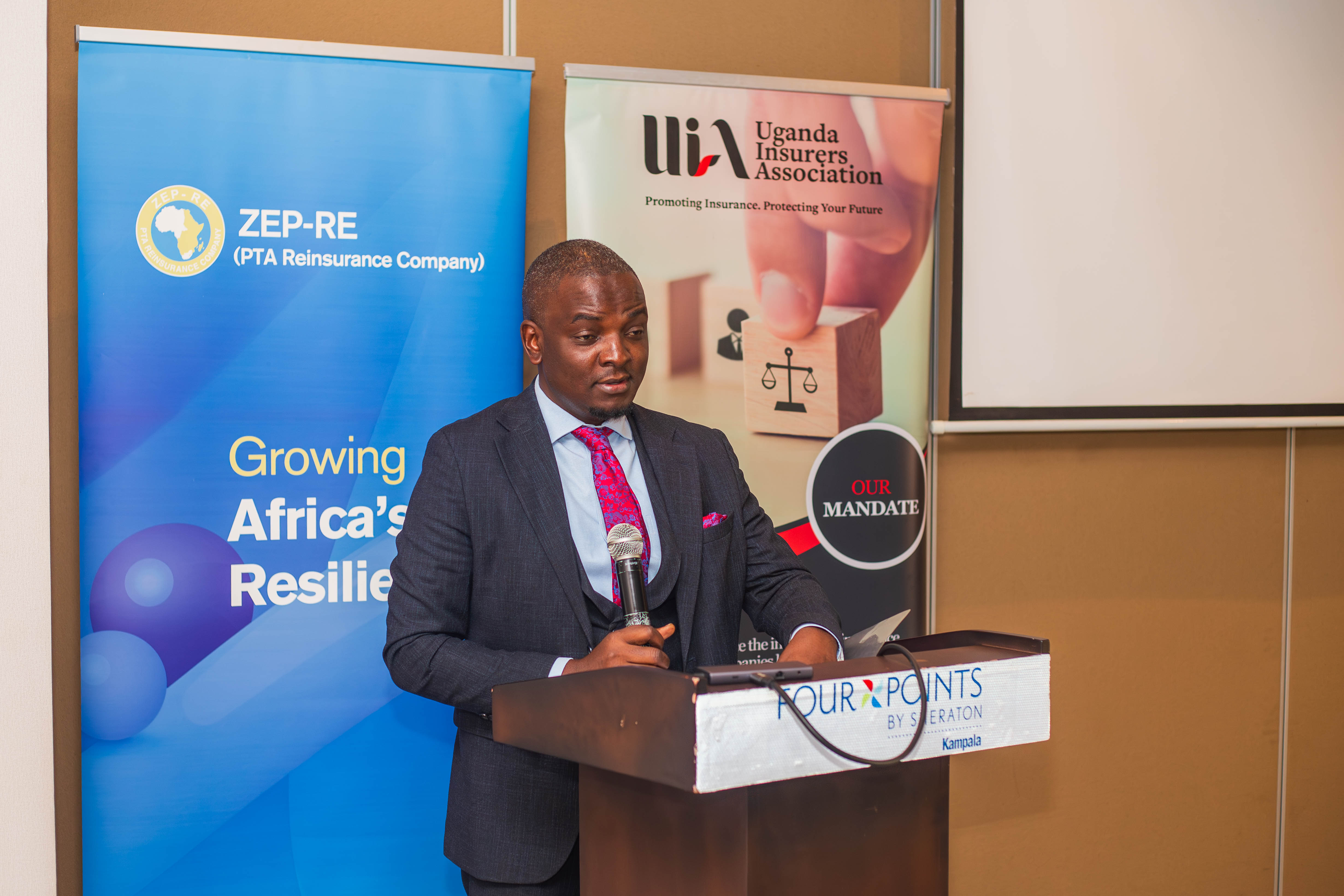
Reflecting on the industry’s progress, he acknowledged that several insurers had appointed ESG leads and initiated board-level discussions. However, he identified gaps in the integration of ESG into underwriting and investment decisions, the assessment of actual risk exposures and the collection of relevant data at the underwriting stage. He noted that IRA would continue assessing preparedness at both company and industry levels, particularly because risks concentrated across similar sectors, geographical areas and reinsurance arrangements could develop into wider systemic challenges.
Board Director at ZEP-RE, Chairperson of UIA and Chief Executive Officer of SanlamAllianz, Ms. Ruth Namuli, urged insurance leaders to treat ESG as a strategic business priority rather than merely a reporting obligation. She noted that climate change, social inequality and governance failures were increasingly shaping the industry’s risk landscape, citing floods in Kasese, landslides in Bududa and prolonged droughts in northern Uganda as examples of the consequences for insured assets and affected communities.
Ms. Namuli emphasized that responsibility for ESG oversight rests with boards and senior management, and that sustainability considerations should inform risk appetite, underwriting decisions, investment of policyholders’ funds and the treatment of customers and employees. She encouraged insurers to begin implementing the IRA ESG Guidelines by appointing ESG leads, conducting gap analysis and approving appropriate ESG policies.
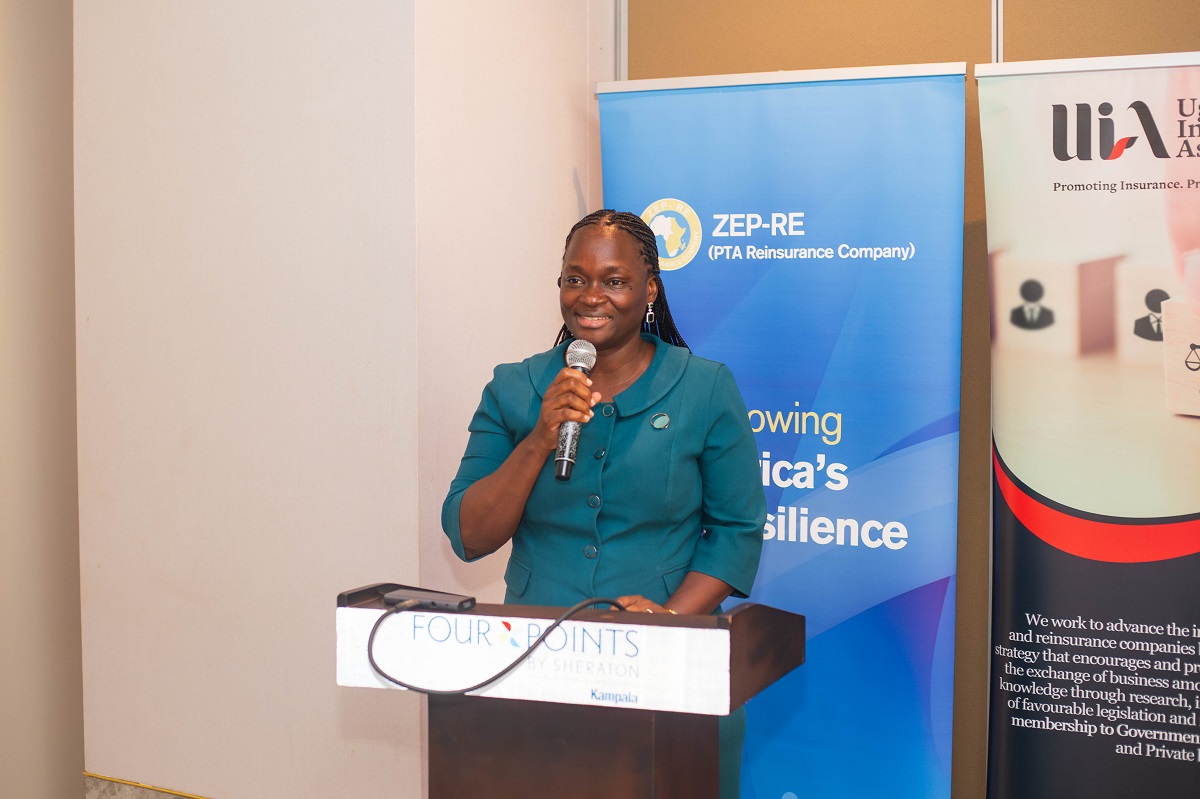
She further called for collaboration among UIA members to address shared challenges in data, methodologies and skills development. Beyond risk management and compliance, Ms. Namuli highlighted opportunities in climate adaptation, green infrastructure and sustainable agriculture, noting that insurers with the capacity to assess and manage ESG risks could develop relevant products and contribute to increased insurance penetration in Uganda.
On the second day, attention shifted to the practical application of the IRA ESG Guidelines, sustainability reporting readiness and climate-related disclosure requirements.
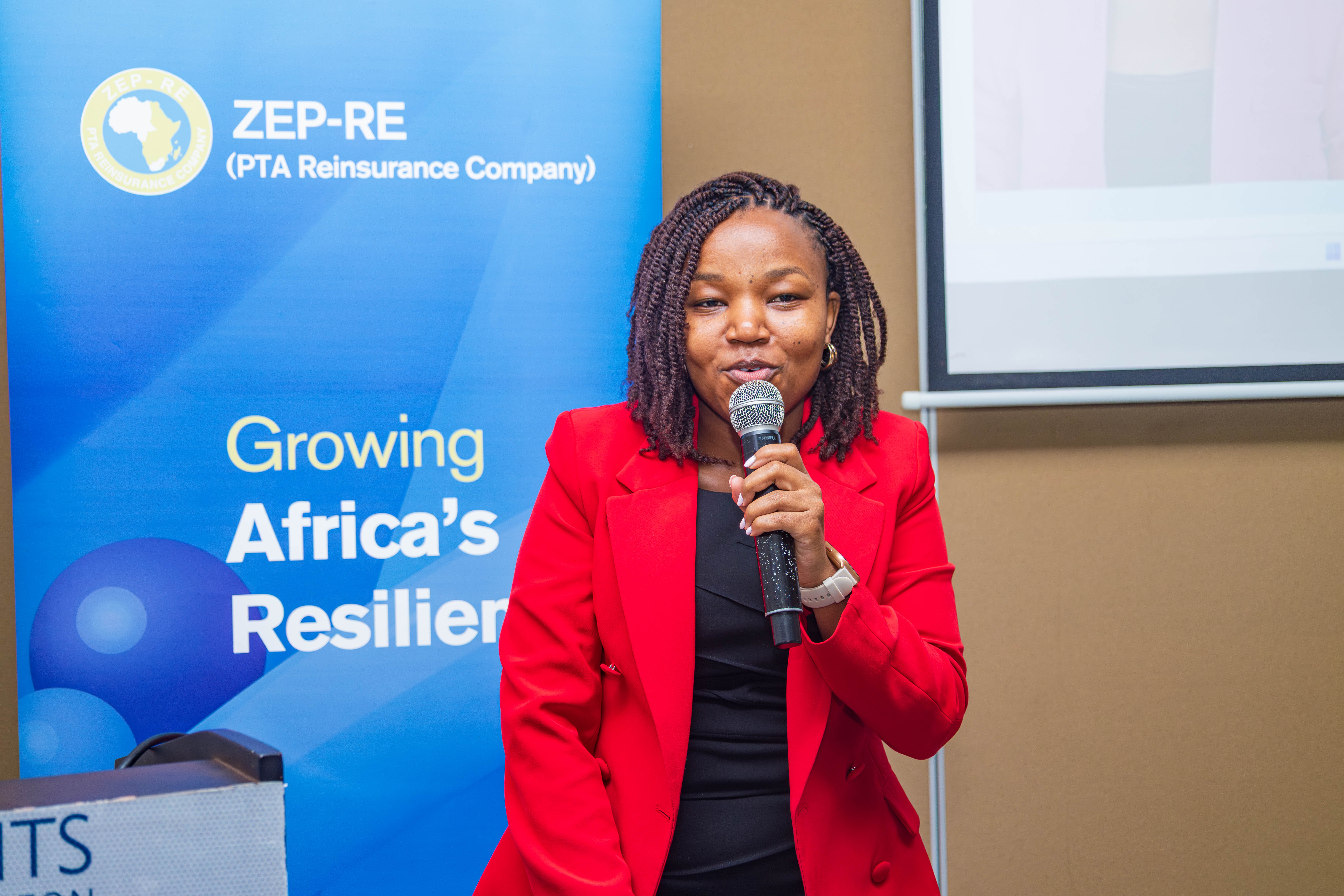
Ms. Mirriam Mueni, an ESG Manager and Facilitator, explored how emerging sustainability risks can also present opportunities for innovation and the development of solutions that respond to changing client needs. She emphasized the importance of continuous capacity building and integrating ESG considerations into underwriting, particularly when assessing potential property damage, business interruption and associated recovery costs. She also highlighted the role of effective screening and due diligence in identifying material risks and addressing gaps in implementation.
Mr. Patrick Nganga, Principal Consultant at Lybra Sustainability Solutions, led sessions on sustainability reporting readiness and evolving ESG disclosure requirements. He explained that the IFRS Sustainability Disclosure Standards require organizations to establish robust processes for identifying and disclosing material sustainability-related information, covering governance, strategy, risk management, and metrics & targets.
He also clarified that the IRA ESG Statement and the IFRS Sustainability Disclosure Standards are related but distinct frameworks, with different requirements and applications. Participants examined climate-related risks and opportunities under the IFRS framework, including physical risks arising from floods, storms and changing rainfall patterns, as well as transition risks associated with policy and regulatory changes, technological developments, market shifts and reputational considerations.

The training further examined Uganda’s sustainability reporting roadmap and the growing importance of IFRS-aligned disclosures for the insurance sector. Participants were encouraged to strengthen their data collection, governance, risk management and reporting systems to identify, assess and disclose material sustainability-related risks and opportunities effectively.
Through the training, UIA, IRA and ZEP-RE Academy reinforced the importance of collaboration in preparing Uganda’s insurance industry for evolving sustainability expectations. The discussions highlighted the need for insurers to translate the IRA ESG Guidelines into practical business policies, strengthen their assessment of climate-related risks and develop reporting systems that support accountability and long-term resilience across the sector.