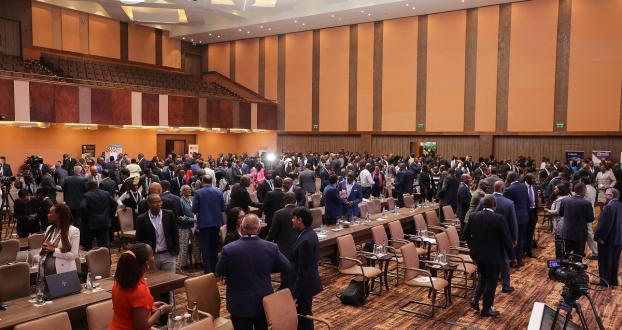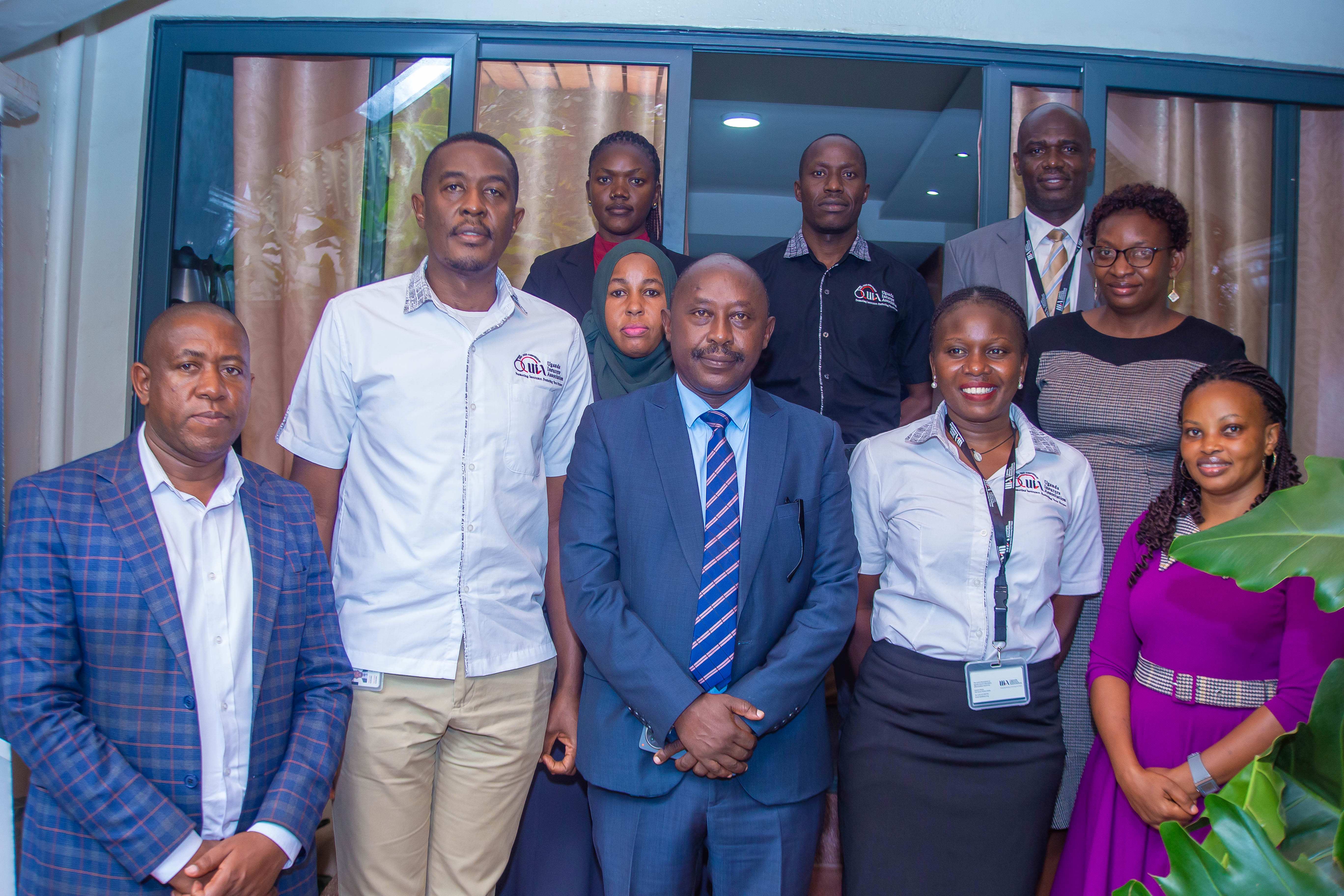
The Uganda Insurers Association (UIA), in collaboration with the Ministry of Education and Sports Uganda (MoES) Education Policy and Research Unit (EPAR), held a one-day workshop to advance discussions on the proposed School Fire Insurance Proposal. The engagement, which took place on 26th February 2026 at Fairway Hotel Kampala, brought together officials from EPAR and UIA to review findings from a survey on the impact of fire outbreaks on educational institutions in Uganda between 2018 and 2024, as well as a draft policy brief. The survey was undertaken collaboratively with MoES in 2024/25.
During the session, the Draft Survey Report and Draft Policy Brief were presented by UIA’s Research Officer, Ms. Angella Kemigisa. The highlighted key insights are intended to inform policy direction and guide the review of the Basic Requirements and Minimum Standards (2009) to include fire insurance for schools as a risk management tool. The research revealed significant gaps in financial preparedness following fire incidents, with many schools relying largely on internal school funds and donations from government, parents, and well-wishers to restore damaged infrastructure.

Results revealed that only 13% of schools relied on insurance to reinstate property after fire outbreaks. Of the 89 institutions that had experienced a fire outbreak and participated in the survey, only 17 had active fire insurance coverage. The findings also showed that, according to insurer data, only 320 schools purchased a fire policy in 2024, representing 1% of the total number of educational institutions (30,510) based on the Annual School Census 2017. This implies that if any of the remaining 99% of schools experience a fire, they would have to bear the financial burden of reinstatement. The findings pointed to broader social and economic consequences, including emotional distress within affected school communities, including parents and learners, and substantial financial burdens placed on parents following such incidents. The research also identified a growing willingness among parents to contribute towards school fire insurance schemes, creating opportunities for institutions to adopt flexible contribution models that support sustainable coverage.
Mr. Anthony Rwebanda, the Assistant Commissioner for Research and Innovation under the Education Policy and Research Department at the Ministry of Education and Sports (MoES), noted that the objective of the engagement was to reach a technical consensus informed by evidence and to ensure co-ownership between EPAR and UIA. He explained that it has been 17 months since the initiative started, and that UIA, jointly with MoES, has evaluated the impact of fire outbreaks on schools and parents. Therefore, this engagement represents a critical transition in policy from research generation to policy positioning. He added that the next step would be to consolidate the final report and policy brief for validation.

The Chief Executive Officer of UIA, Mr. Jonan Kisakye, described the engagement as a significant milestone in strengthening risk protection for schools. He commended the sustained collaboration between UIA and MoES through EPAR and emphasized the importance of ensuring continuity in the process while expanding the engagement to other government agencie s so that policy outcomes benefit from broader institutional participation. He pointed to the critical role of research in informing the development of responsive insurance products, noting that the findings highlight areas requiring increased attention, including the potential consideration of certain covers as mandatory to enhance nationwide protection.

The workshop marked an important step towards developing a structured and sustainable approach to school fire risk management, with stakeholders reaffirming their commitment to evidence-based policy development and collaborative action aimed at safeguarding learning institutions, reducing financial shocks, and strengthening resilience across Uganda’s education sector.