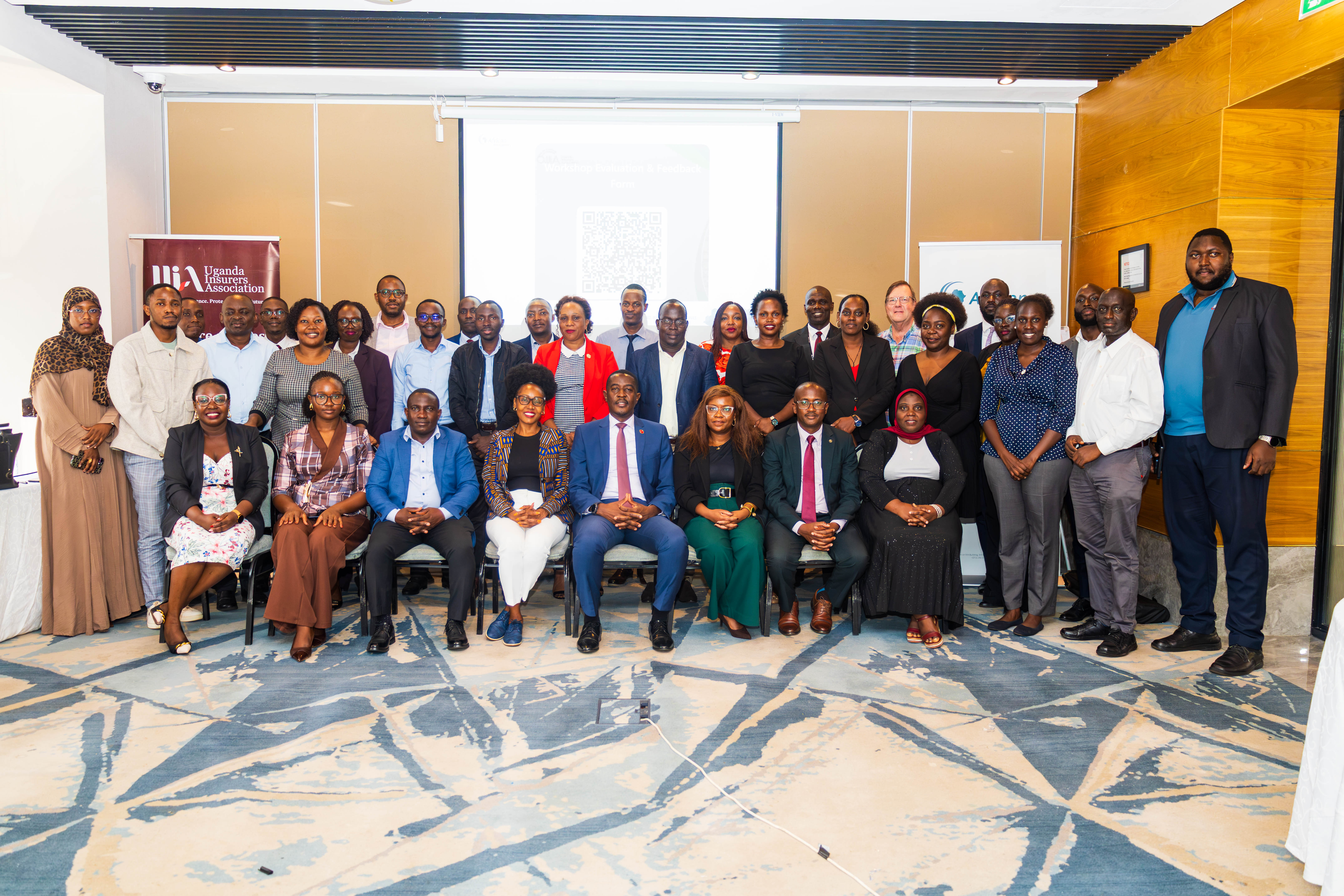
In partnership with African Risk Capacity Limited (ARC), on Wednesday, 18th November, 2026, the Uganda Insurers Association (UIA) convened a workshop on Parametric Insurance at Four Points by Sheraton, Kampala, bringing together insurance industry stakeholders, regulators, and technical partners to explore innovative approaches to climate risk financing and strengthen Uganda’s resilience against climate-related risks.
The workshop focused on parametric insurance, its potential applications in Uganda and opportunities for collaboration among insurers and other stakeholders in developing solutions that address emerging protection gaps.
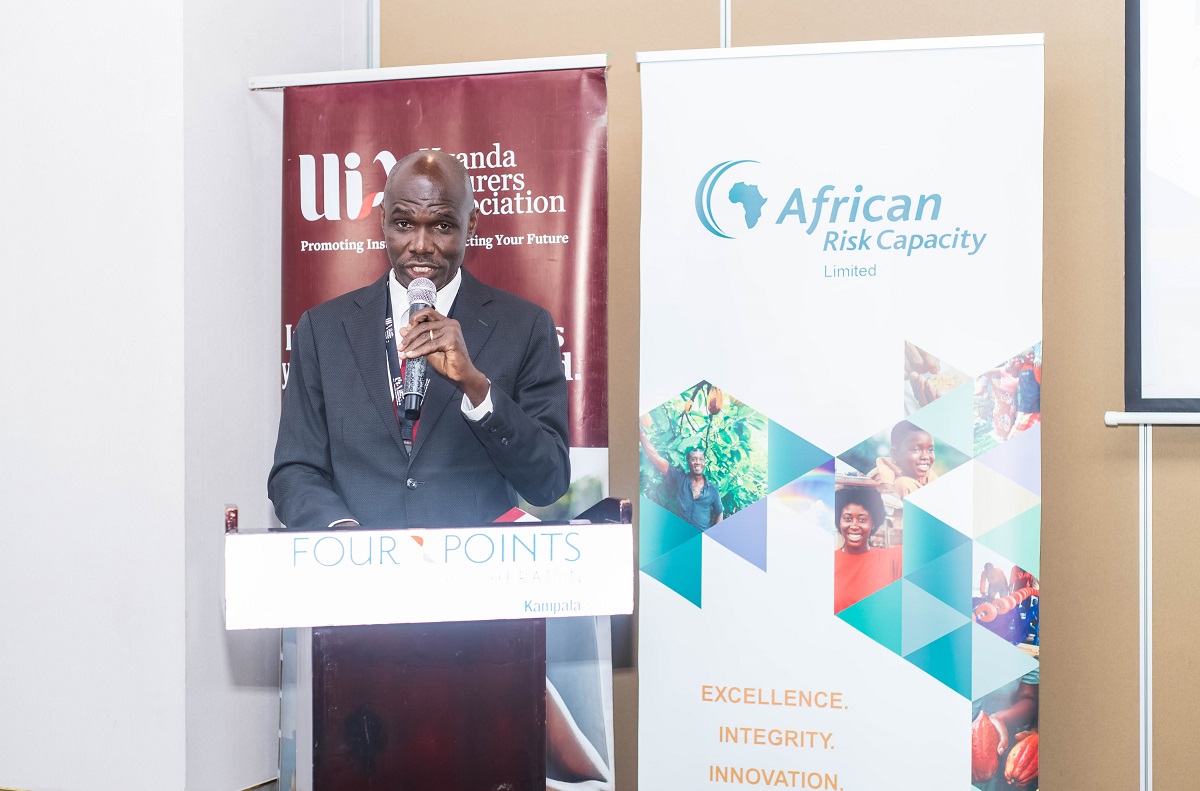
Delivering the opening remarks on behalf of the Chief Executive Officer, Mr. Jonan Kisakye, UIA Senior Technical Officer – Non-Life Insurance, Mr. Martin Okwaja, welcomed participants and highlighted the evolving nature of risks facing businesses, governments and communities.
He noted that conventional insurance mainly protects physical assets, yet major losses can occur without physical damage, especially in agriculture and hydropower. Parametric insurance, he said, can close these gaps through predefined, independently measurable triggers that prompt payouts when thresholds are reached.
Mr. Okwaja highlighted hydropower as a key opportunity, where changing rainfall, droughts and fluctuating water levels affect production and revenue. He called for stronger local technical capacity so that Ugandan insurers can participate more, retain business and develop solutions suited to the local market, noting African Risk Capacity Limited’s experience with parametric solutions across Africa and claims payouts exceeding USD 242 million.
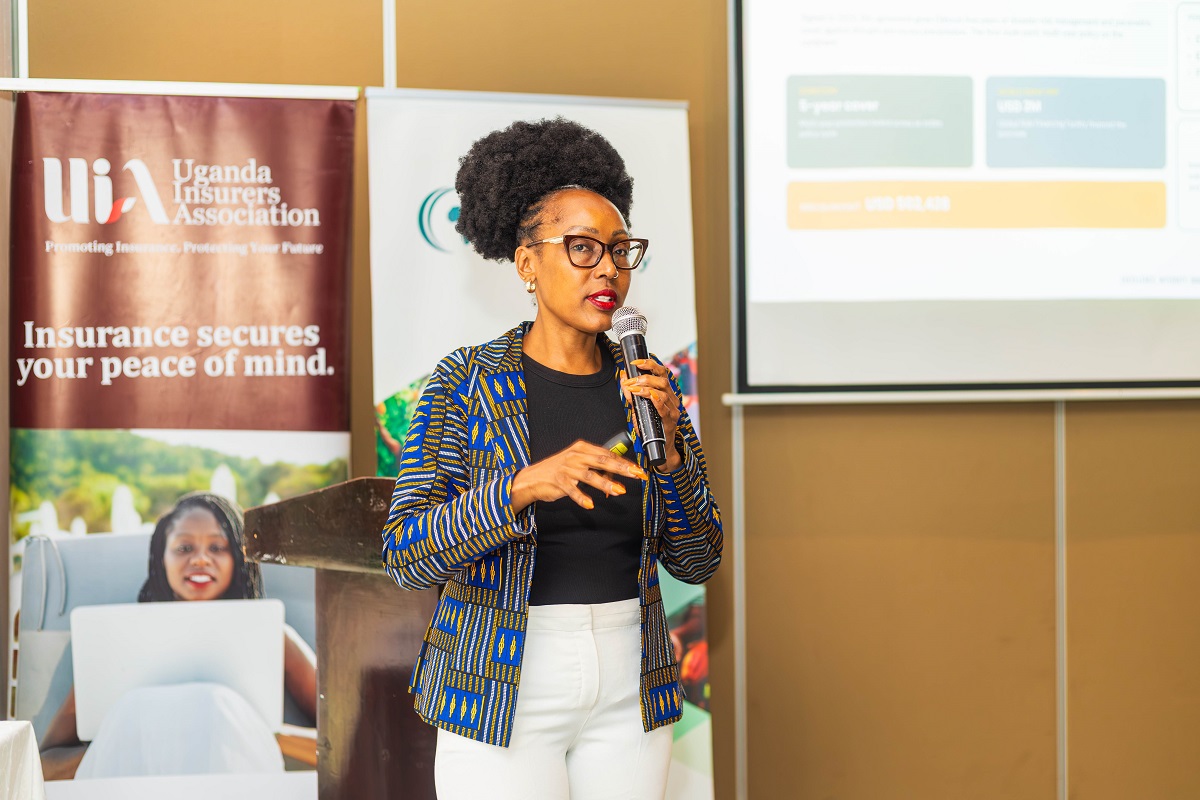
Ms. Jackline Muthengi, Chief Underwriting Officer at African Risk Capacity, delivered a presentation titled: Parametric and Weather Index Insurance: Concepts, Benefits and Limitations.
She explained that parametric payouts are determined by predefined triggers linked to measurable indices. Once an agreed threshold is reached, the payout is calculated and released without traditional loss assessment.
She cautioned, however, that the trigger may not always match actual losses, making reliable data, proper index calibration and transparent communication essential to effective implementation.

Drawing on regional experience, Ms. Eleanor Kigen, Business Development Lead at African Risk Capacity, presented Djibouti as a case study, highlighting the country’s experience in implementing parametric insurance solutions. She noted that Djibouti signed a five-year agreement with ARC in 2023, providing risk management support and parametric insurance cover against excess rainfall and drought, with ARC serving as both a reinsurer and technical partner. The programme recorded approximately USD 118,564 in payouts during the 2024/2025 period.
Turning to Uganda’s energy sector, Ms. Kigen highlighted the country’s reliance on hydropower, which accounts for approximately 92% of national electricity production, with 76% of installed generation capacity located along the River Nile.
She noted that hydropower generation remains exposed to climate-related risks, including prolonged droughts and variations in rainfall and water levels, which can affect electricity generation and revenue, even when the infrastructure remains undamaged. In this regard, she highlighted the potential of parametric insurance to complement conventional insurance arrangements by providing financial protection linked to measurable hydrological indicators such as water levels and water inflows.
The discussions further examined the relevance of protecting hydropower generation revenue within Uganda’s Tenfold Growth Strategy, which seeks to grow the economy from approximately USD 50 billion to USD 500 billion by 2040. Participants recognized the importance of reliable, affordable and sustainable electricity in supporting the country’s industrialization ambitions and broader economic transformation.
An afternoon session allowed participants to openly discuss regulatory, institutional and market concerns around developing parametric insurance in Uganda. Key issues included streamlined regulatory approvals, clear documentation, effective stakeholder coordination and well-defined roles.
Participants also explored opportunities for local insurers to lead in underwriting risks and transfer them to a consortium through risk-sharing and reinsurance, as a way to strengthen local participation, build technical capacity and support a sustainable parametric insurance market.
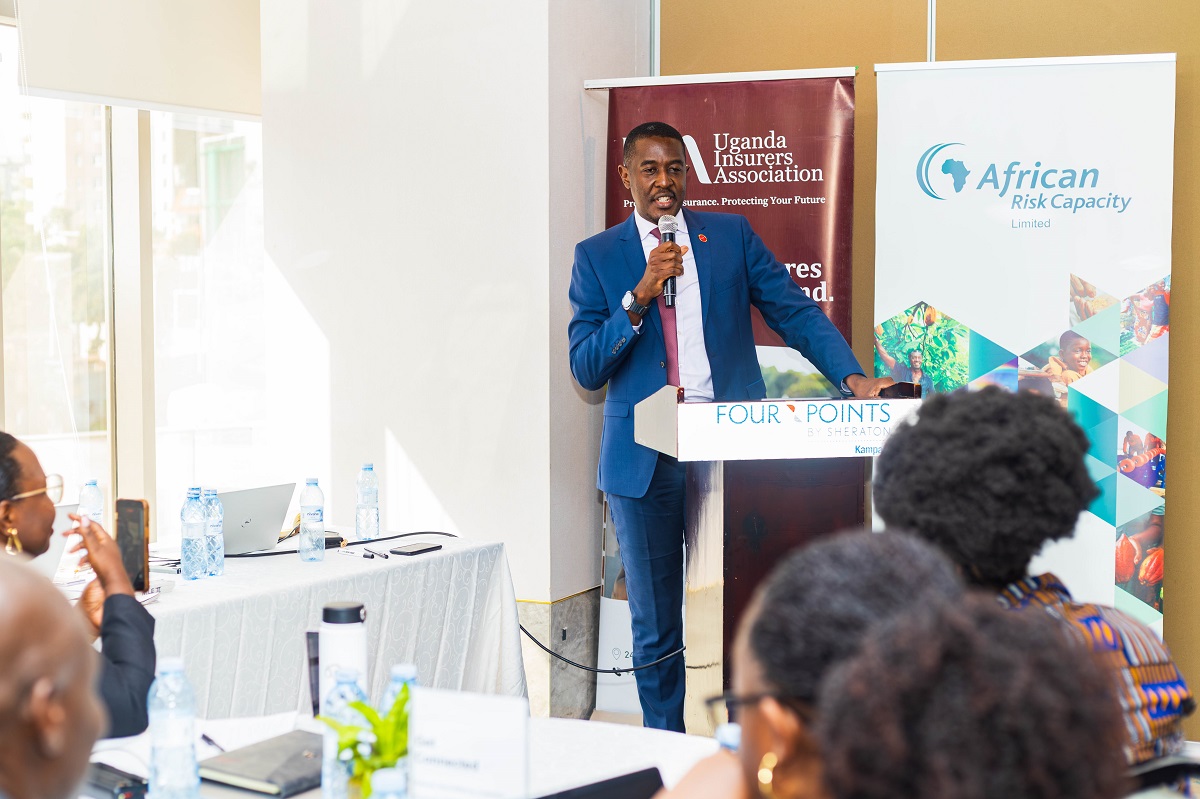
Delivering the closing remarks, Mr. Jonan Kisakye thanked the African Risk Capacity team for investing in Uganda’s insurance industry and advancing innovative solutions.
He said the training had shown potential to build members’ capacity, strengthen the local market and develop products that respond to government priorities and broader economic needs. Parametric insurance, he added, gives the industry a chance to demonstrate innovation while strengthening collaboration in climate risk financing, expanding coverage and building resilience across key sectors.
The workshop marked an important step in deepening understanding of parametric insurance and translating it into practical solutions. Through continued collaboration between UIA, African Risk Capacity Limited, insurers, regulators and other stakeholders, the industry will be better placed to explore innovative risk financing that addresses emerging protection gaps and supports Uganda’s economic development.


