
The Uganda Insurers Association (UIA), as one of the sponsors of the FITSPA Annual Fintech Conference 2026, joined other industry stakeholders at Sheraton Kampala Hotel on 6th–7th October 2026 to discuss the role of safe and reliable digital payments in driving fintech innovation, financial inclusion and a thriving digital economy.
The two-day conference brought together fintech founders, business leaders, financial institutions, regulators and other industry stakeholders to explore how technology can improve service delivery, strengthen collaboration and support Uganda’s economic growth ambitions.
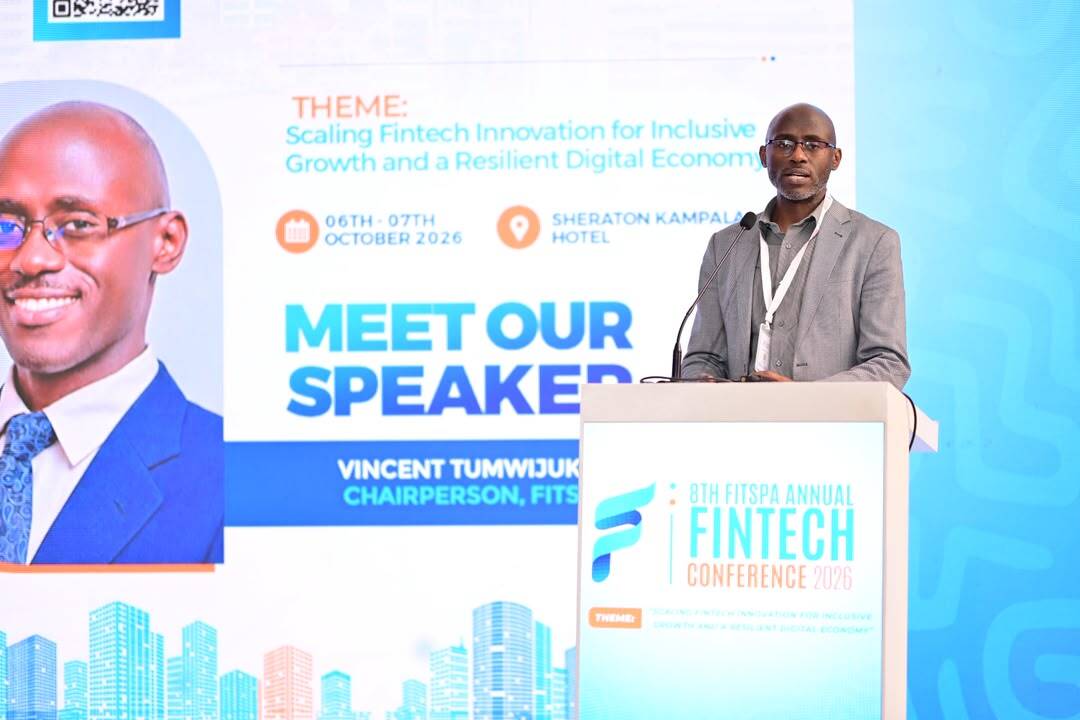
The conference was officially opened by Vincent Tumwijukye, Chairperson of the Financial Technologies Service Providers Association (FITSPA), Co-Founder and Chief Executive Officer of Future Link Technology. In his opening remarks, he called for greater ambition in innovation, investment and collaboration to support Uganda’s tenfold economic growth ambition. He also identified access to skilled talent, high-risk capital, informed media engagement and regional partnerships as important drivers of the country’s fintech ecosystem.
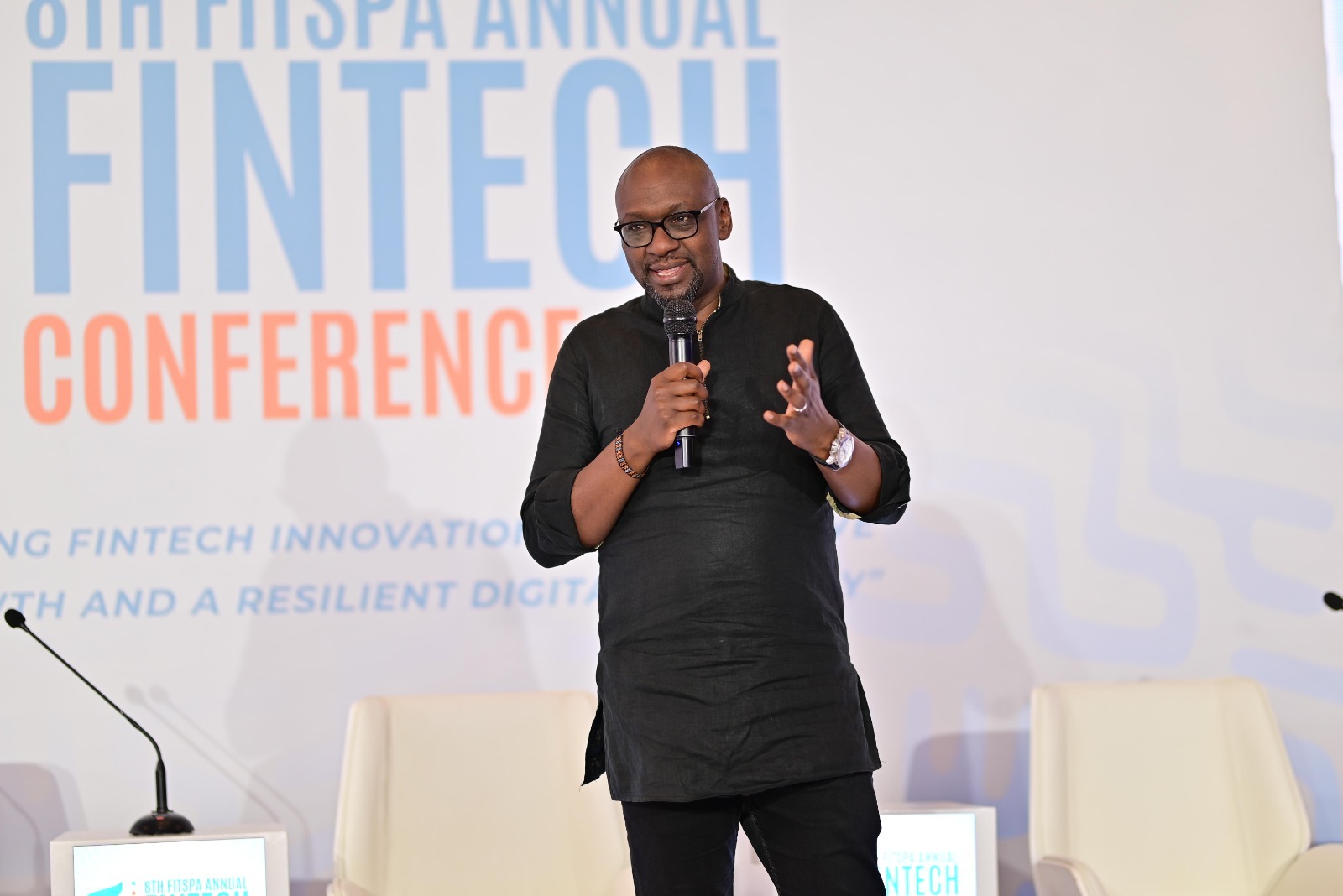
The keynote address was delivered by Ken Njoroge, Founder, Investor and Technology Entrepreneur, and Chief Executive Officer of PANI Africa. Drawing on his experience building Cellulant, he shared lessons on resilience, leadership and execution, highlighting how decisive leadership and a commitment to ambitious goals can help businesses navigate challenges and achieve results.
On the second day, 7th October 2026, UIA Chief Executive Officer, Mr. Jonan Kisakye participated in a panel discussion titled “Safe and Reliable Payments as a Driver of Fintech Innovation, Financial Inclusion and a Thriving Digital Economy.” The session was moderated by Lawrence Totimeh, Head of Business and Service Delivery at Yo-Uganda, and featured Edith Kababure, General Manager, Centralized Back Office at Centenary Bank, and Dr. Valentine Obi, Founder and Group Chief Executive Officer of eTranzact Global.
During the discussion, Mr. Kisakye highlighted the critical role of fintech companies and payment service providers in the insurance value chain, explaining that their contribution extends beyond premium collection to supporting the delivery of insurance products and services.
He noted that insurance operates under a cash-and-carry regime, meaning that premium payment is a fundamental requirement for an insurance policy to be valid. Reliable payment systems are therefore essential to ensuring that insurers receive premiums on time, meet claims obligations and fulfil their commitments to policyholders.
Mr. Kisakye also commended fintech providers for helping to reduce fraud associated with the physical collection of insurance premiums, particularly through intermediaries. He explained that digital payment solutions improve transparency and accountability while generating data that insurers can use to understand customer needs and develop relevant products.
He cited the digitalization of Motor Third Party (MTP) insurance, including the introduction of digital stickers, as an example of how technology has improved insurance processes and supported more efficient verification.

Despite these advancements, Mr. Kisakye pointed out that payment reversals and transaction reconciliation remain challenges for the insurance industry. He explained that when an erroneous insurance payment is reversed, customers may receive less than the original amount because of associated charges, including taxes. Such discrepancies can complicate the resolution of customer complaints and create operational difficulties for insurers.
He further raised concerns about unreconciled transactions arising from mismatched reference numbers and human errors. Citing instances of transactions approaching UGX 2 billion that had remained unreconciled, he emphasized the need for accurate transaction references, stronger reconciliation processes and closer coordination among insurers, financial institutions and payment service providers.
“Insurance is an aspect of trust,” Mr. Kisakye said, emphasizing that confidence in the industry depends not only on the policies insurers provide but also on the reliability of the systems through which customers make payments and access insurance services.
His contribution highlighted the need for stronger collaboration between the insurance and fintech sectors to address operational inefficiencies, improve accountability and strengthen consumer protection. Reliable digital payment systems are essential to ensuring that technological advancements translate into better insurance services and more efficient transactions.
The FITSPA Annual Fintech Conference 2026 provided a platform for stakeholders to examine how financial technology can support Uganda’s economic ambitions. For the insurance sector, continued collaboration with fintech providers and investment in dependable payment infrastructure will be key to expanding access to insurance, improving service delivery and strengthening public confidence in the industry.